Opsin raises $21M to secure the agentic enterprise.
Hear from our founders →

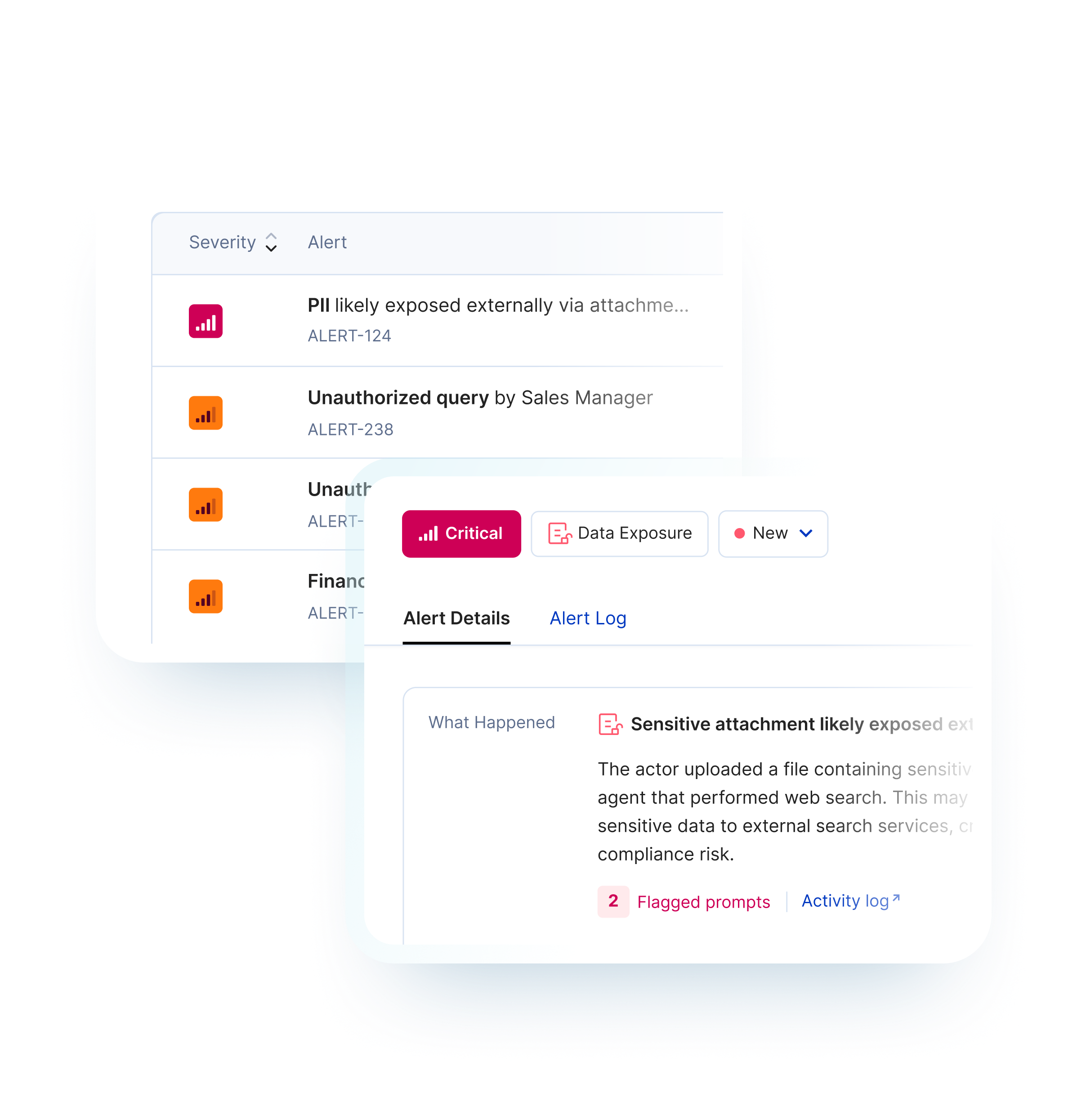




















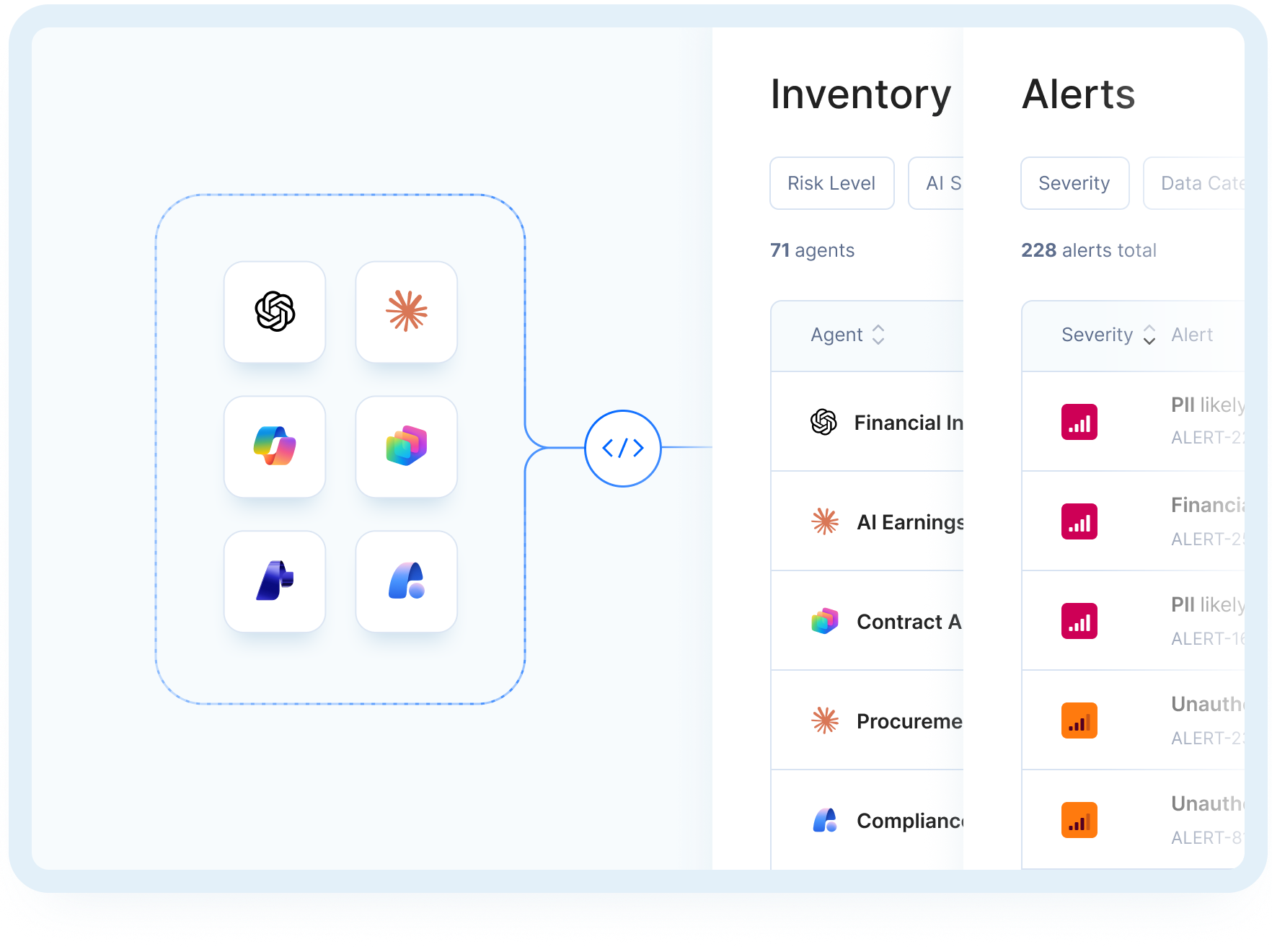
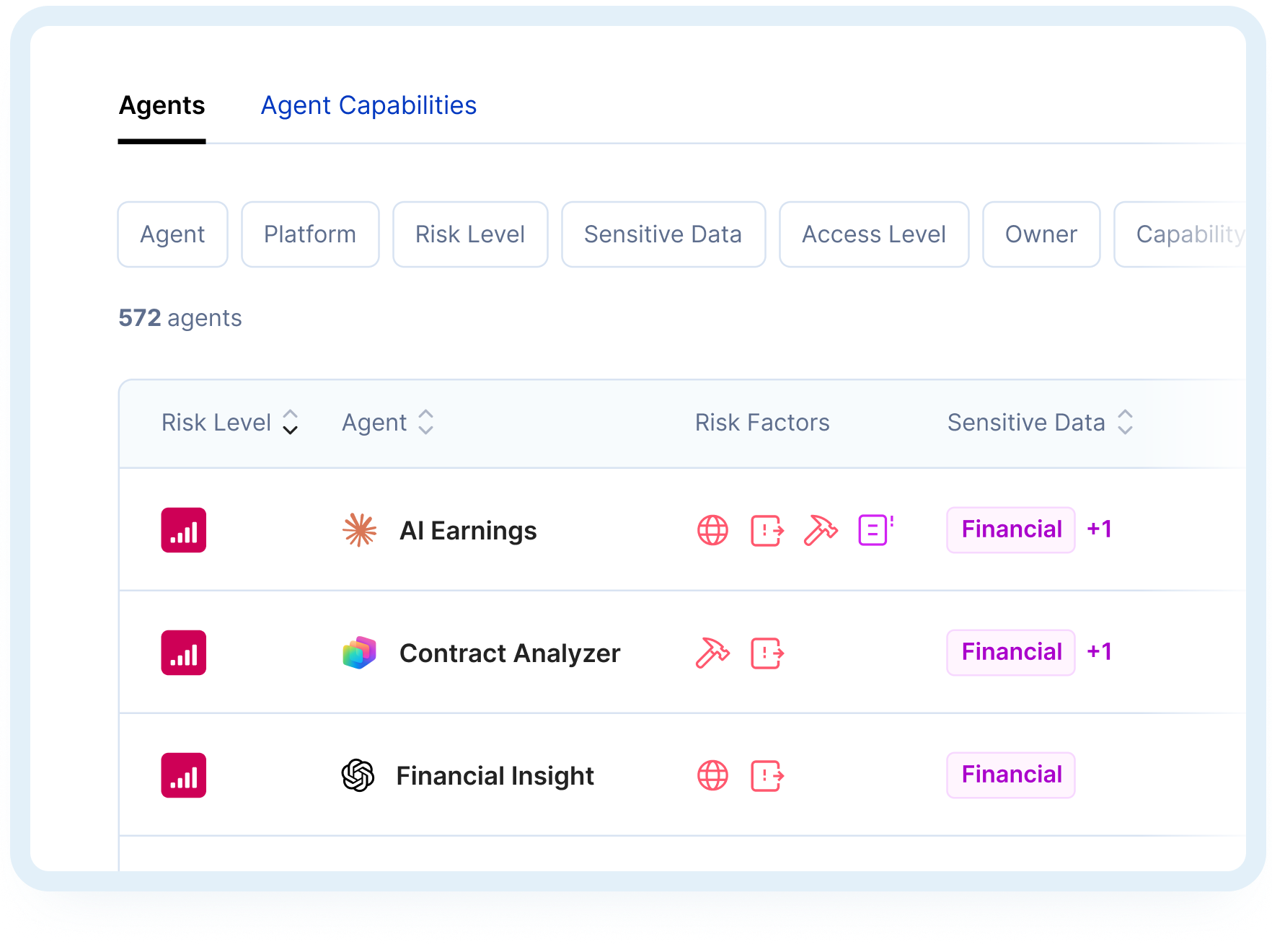
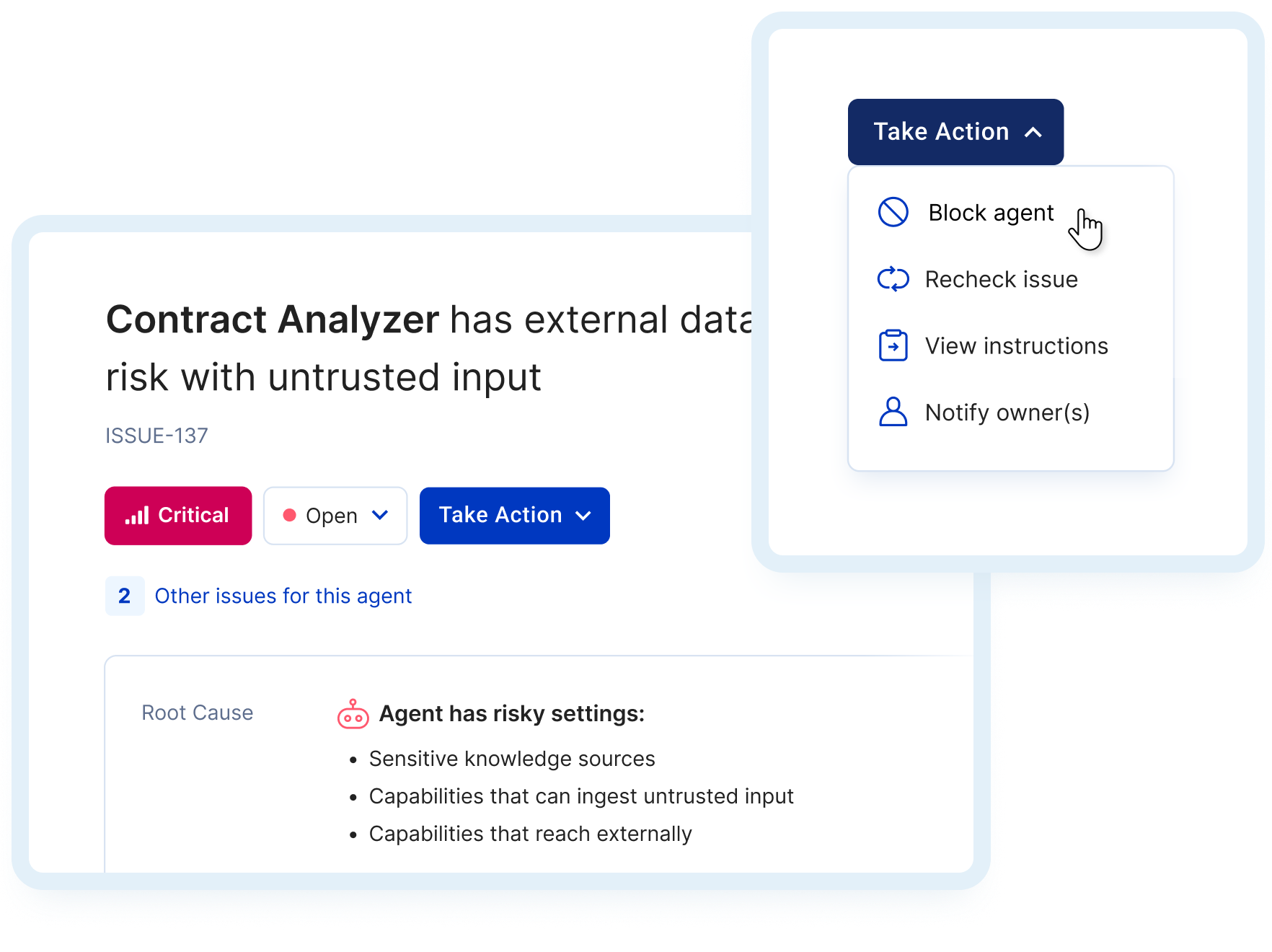


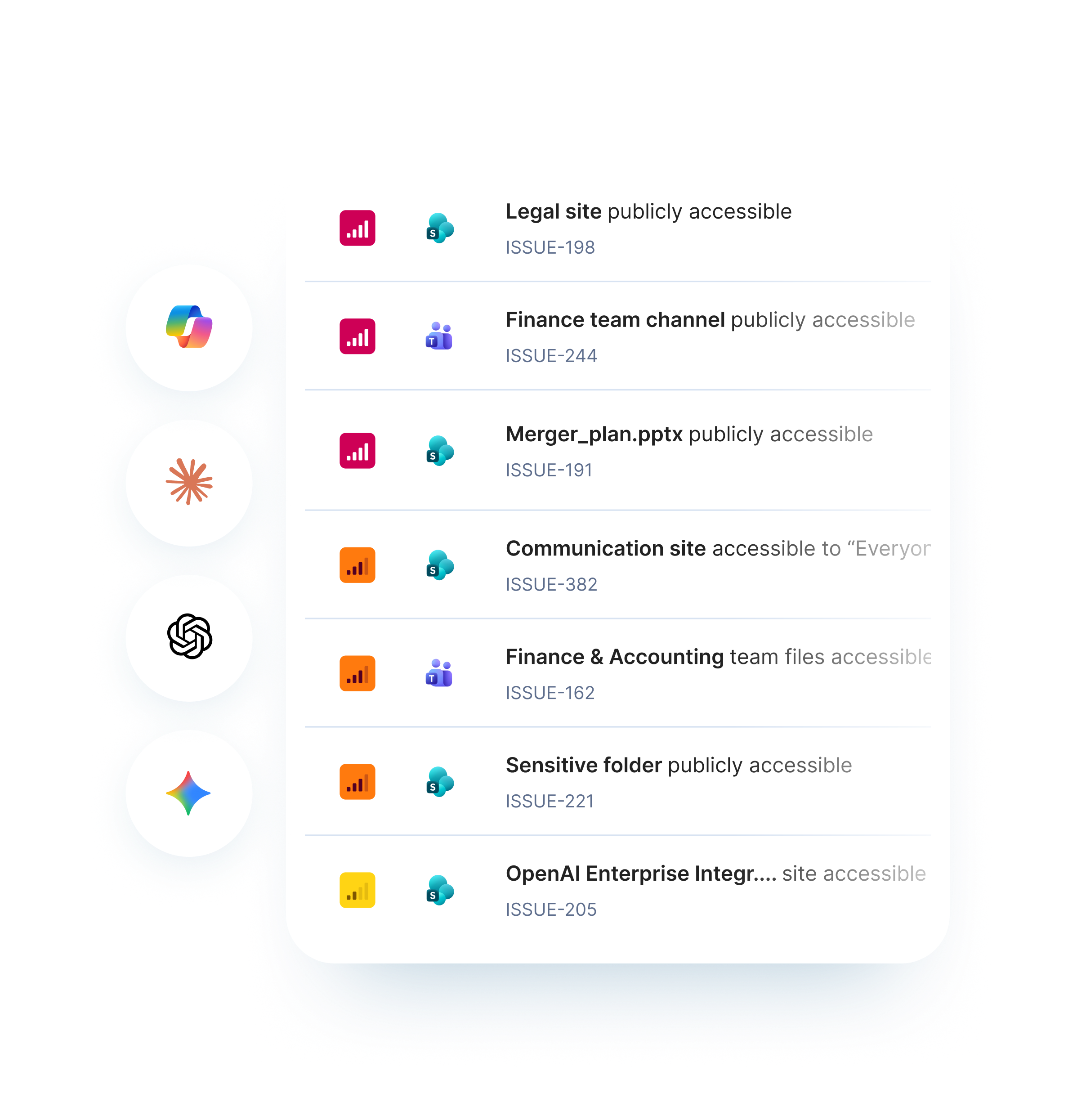
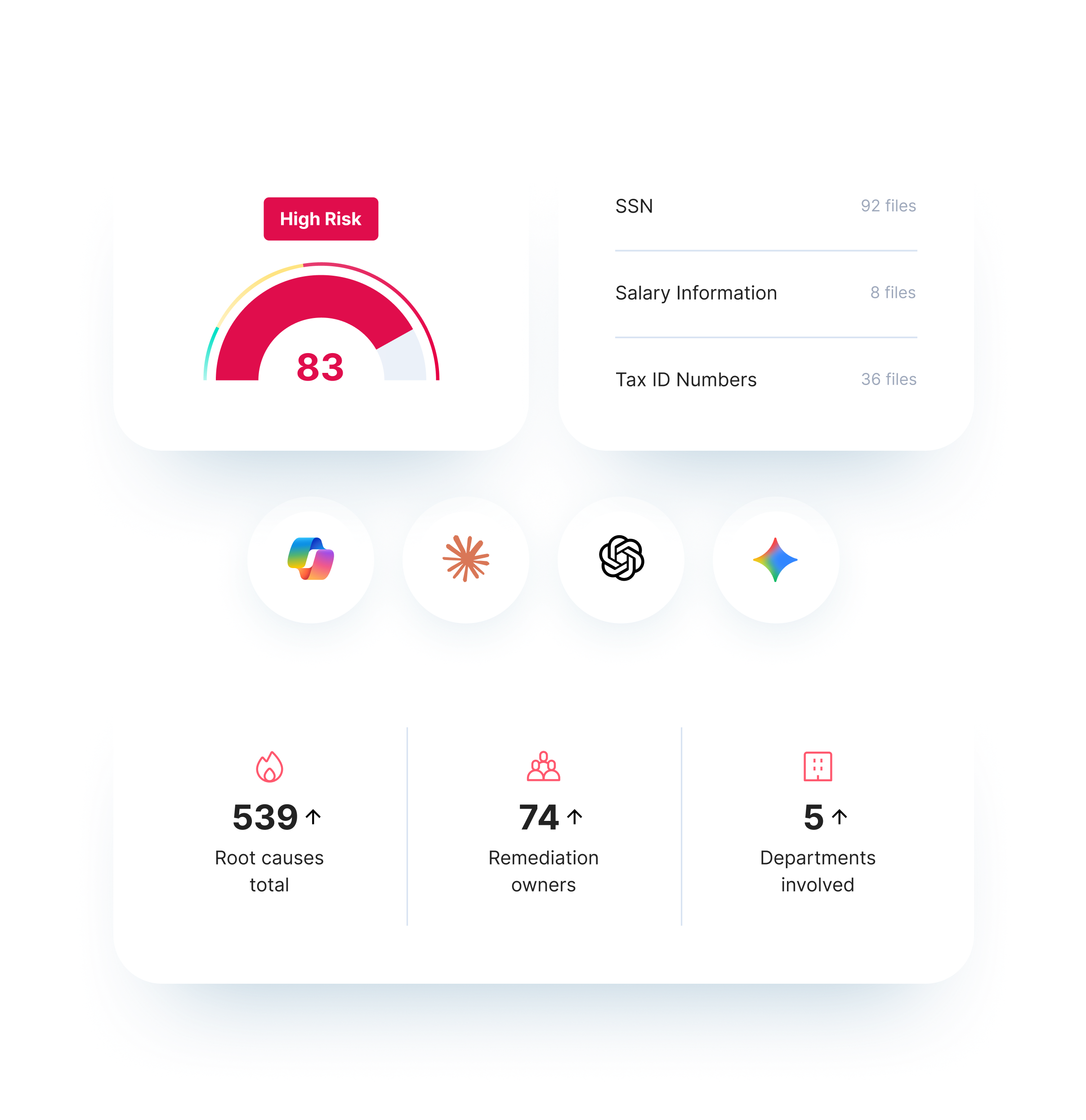
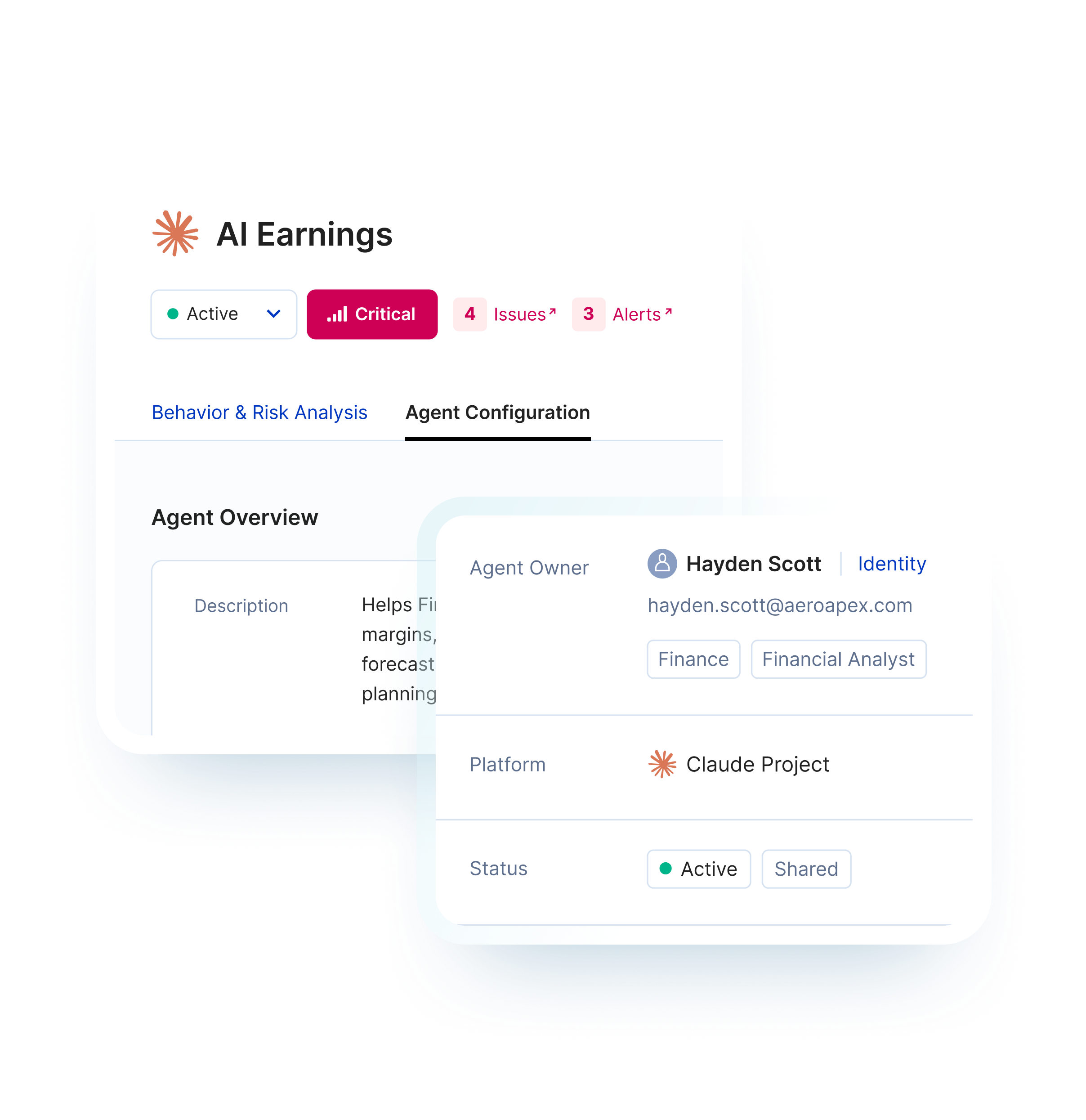

AI agent runtime security is the continuous monitoring of live agent activity against the agent's intended purpose. Opsin models each agent's intent, access, and behavior, then surfaces agents whose actions expose data or drift outside what they were built to do. We cover why this matters in Containing AI agent misbehavior.
Opsin classifies what each agent was built to do, then compares that intent with its actual activity, data access, and tool use. The gap between the two is the risk, and every rating comes with plain-language reasoning. For a real-world example of goal-driven agents going off course, read When agent goals matter more than rules.
Yes. When an agent crosses the line your policy defines, your team can:
Remediation lands with the person who built the agent, not as another ticket on the security team's queue.
No. Opsin connects by API with nothing to install, and enforcement follows the policy your team defines. Legitimate agents keep running while risky ones are contained. That is also why discovery comes first, see Agent Discovery.
Within 24 hours of connecting, teams see all agents across sanctioned AI platforms, drafts and live, plus their connections and who built them.
Almost always. Opsin found just 0.5% of agent tools require human confirmation before acting, which is why continuous runtime monitoring matters more than one-time reviews. Start with a free AI Readiness Assessment to see where your environment stands.
AI agent monitoring tracks what live agents do: the data they access, the tools they call and where they send information. Opsin goes one step further and compares that activity to each agent's intended purpose, so you see when an agent drifts from its job, not just that it was active. It covers server-side runs and MCP tool calls, not only chats.
Those tools see events. Opsin sees intent. It models what each agent was built to do, compares that to live activity and access, and flags the gap rather than every event. The fix then goes to the person who built the agent. See how the model works on Why Opsin.