Opsin raises $21M to secure the agentic enterprise.
Hear from our founders →

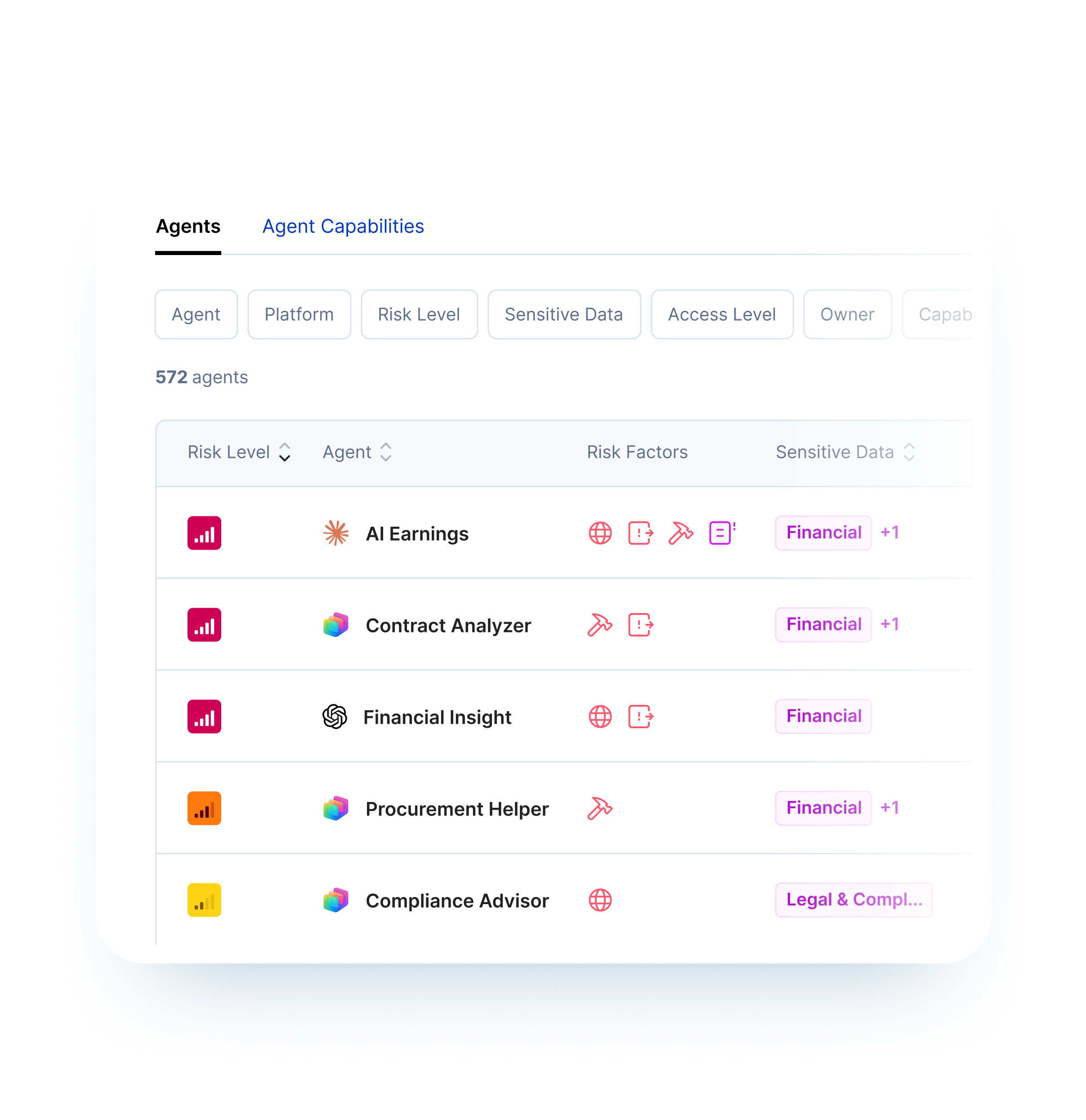



















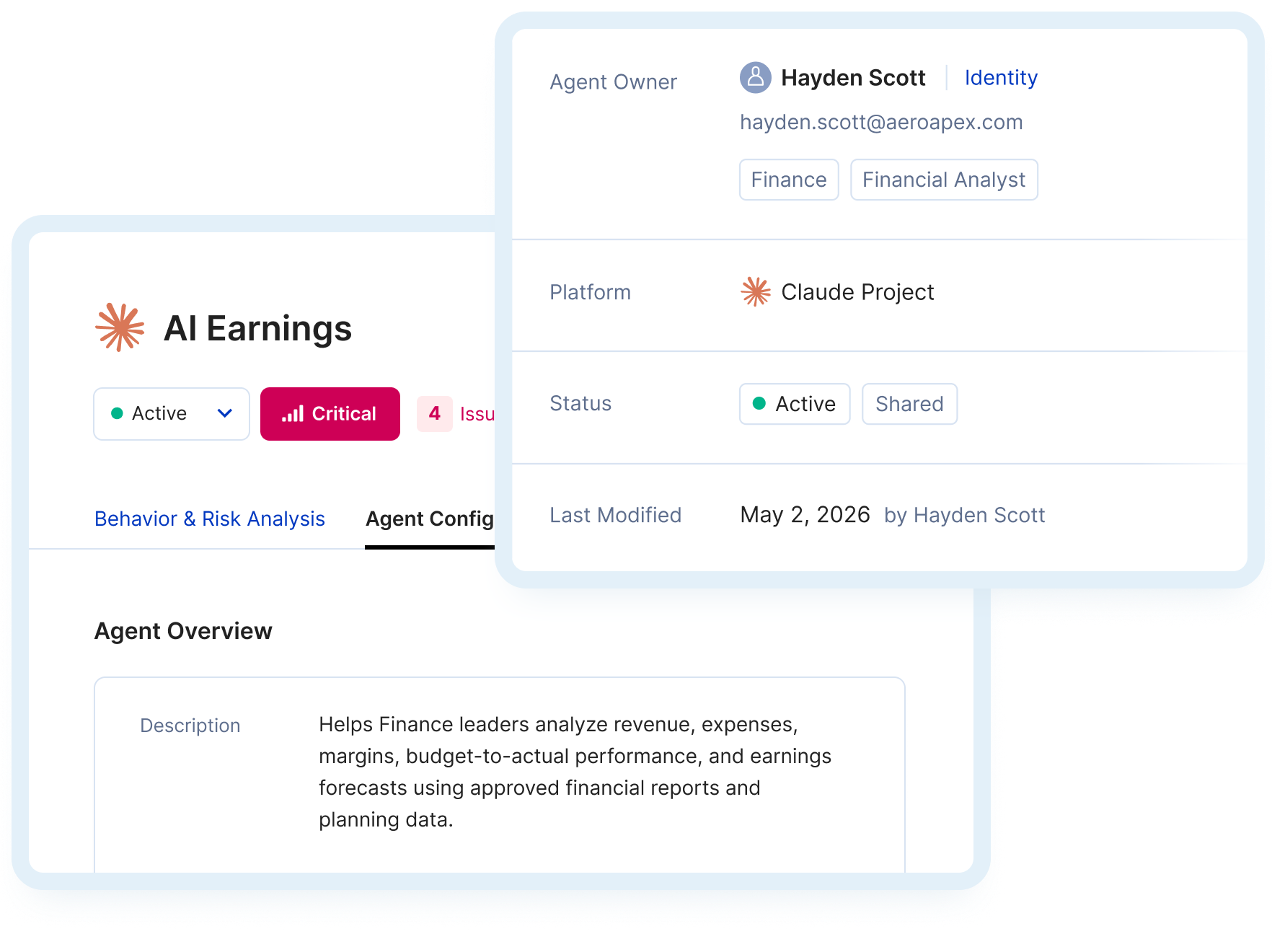
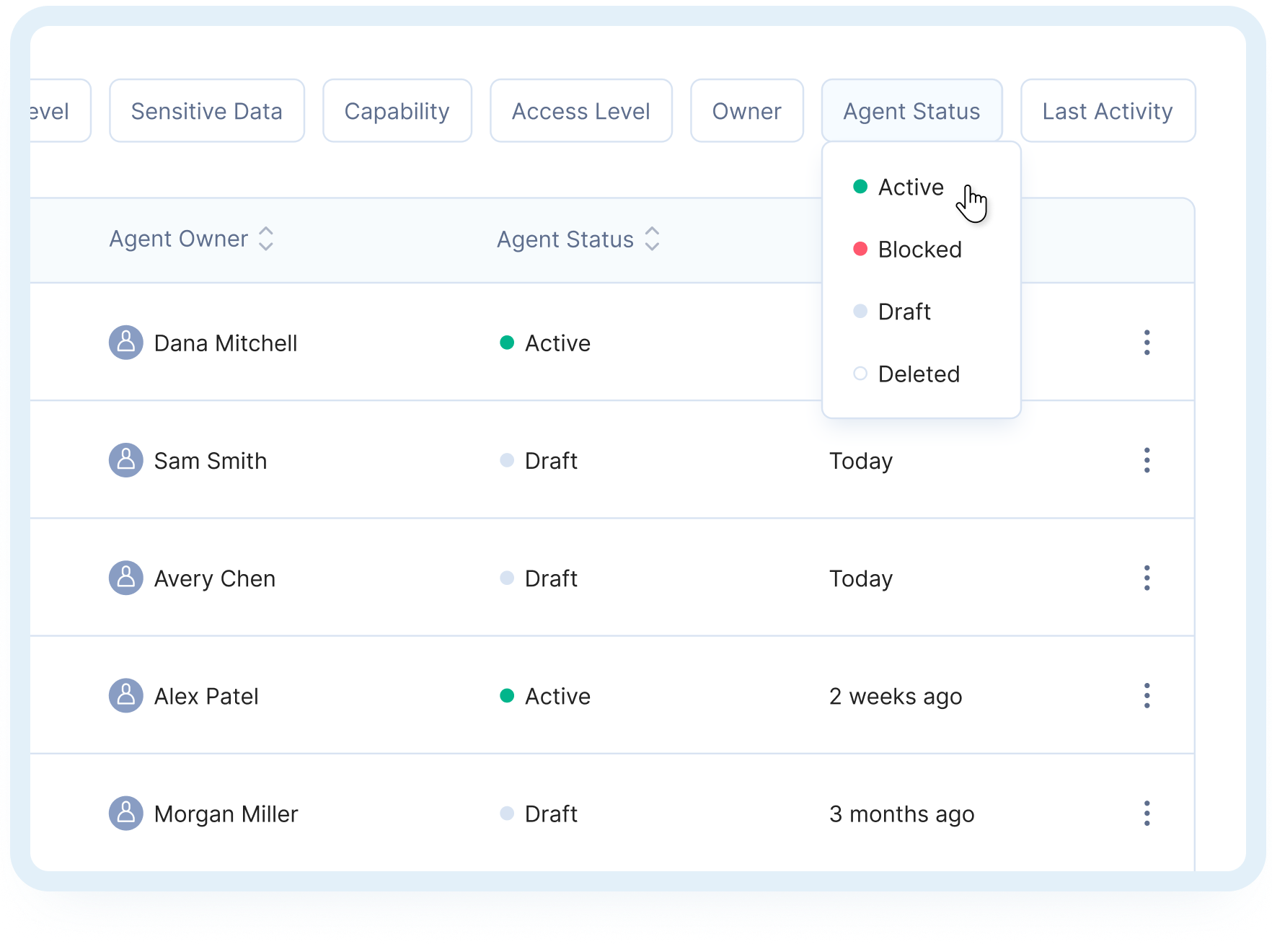
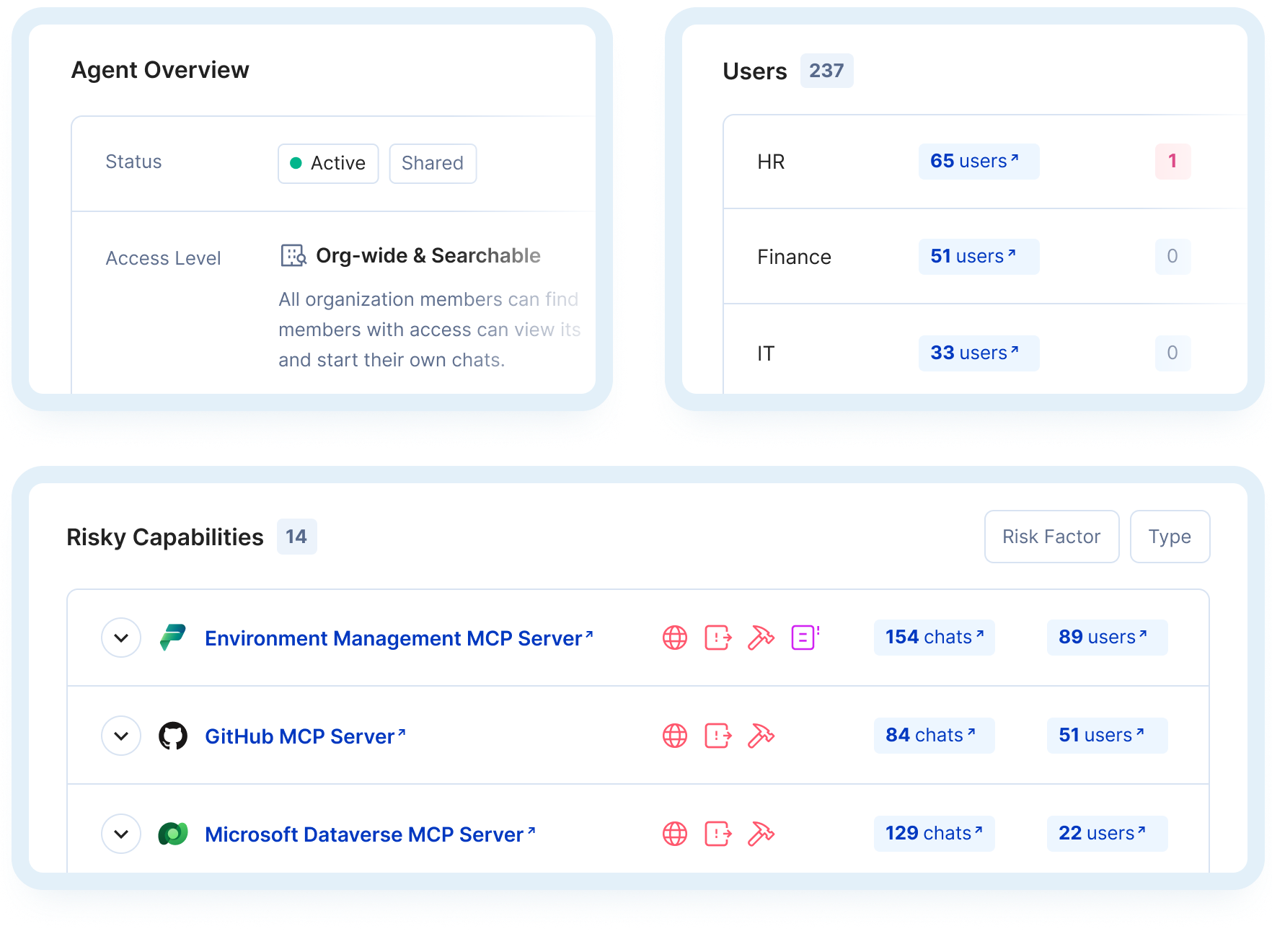


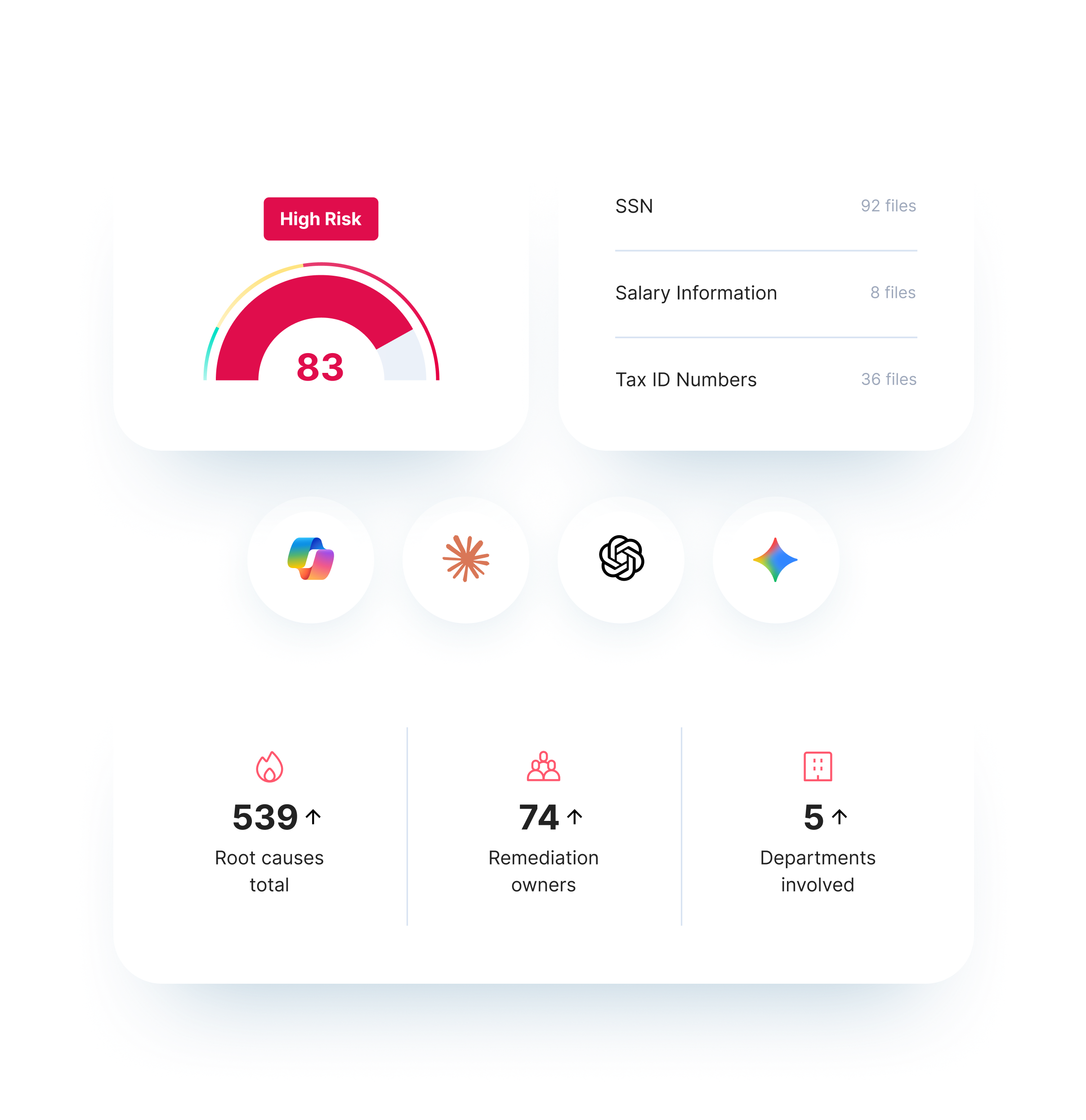
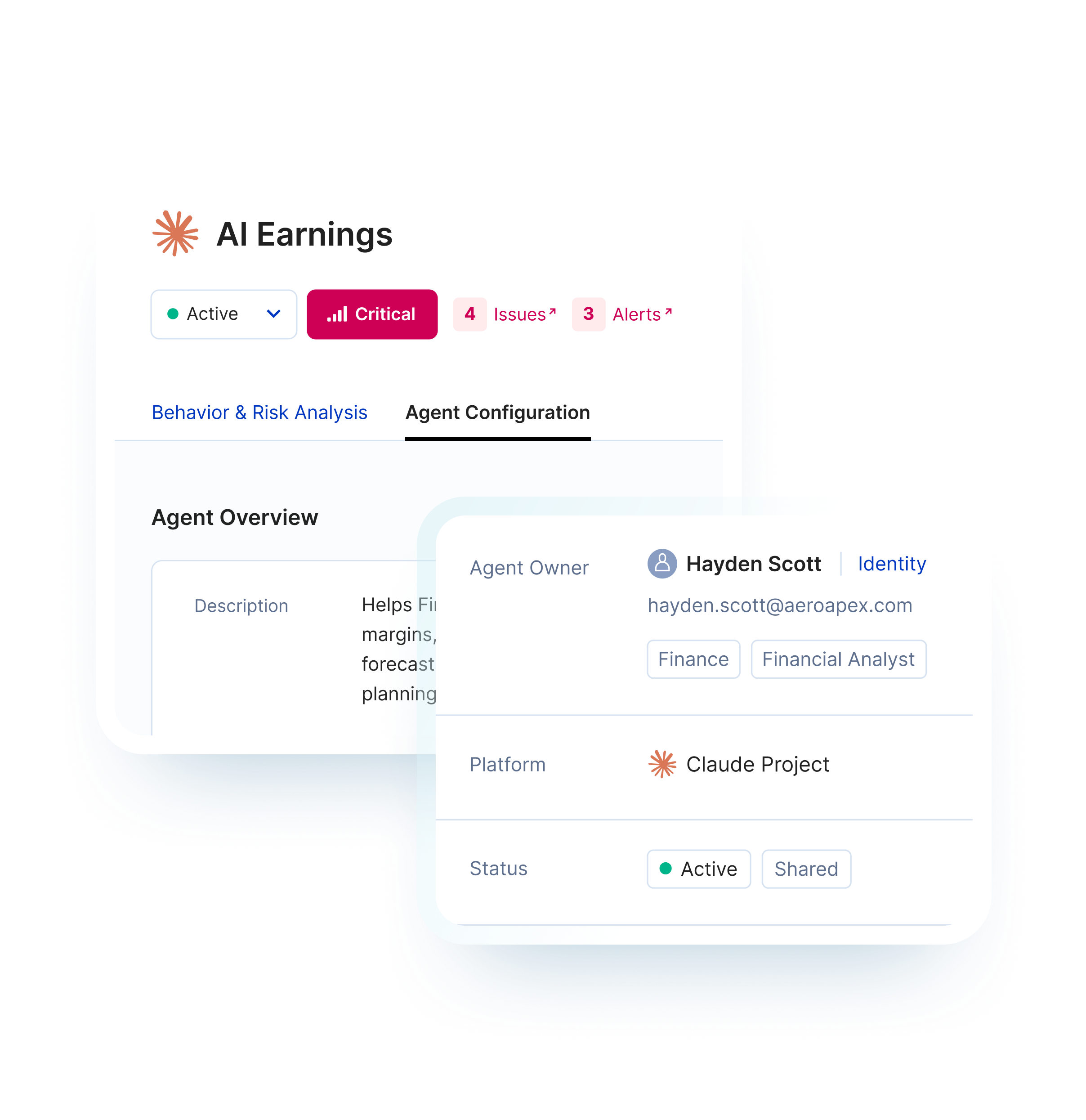

AI agent discovery is the process of building a complete inventory of the AI agents employees have created across enterprise AI platforms. Opsin connects by API and maps each agent to its owner, last activity, permissions, tools, and data reach, then keeps that inventory current as platforms change.
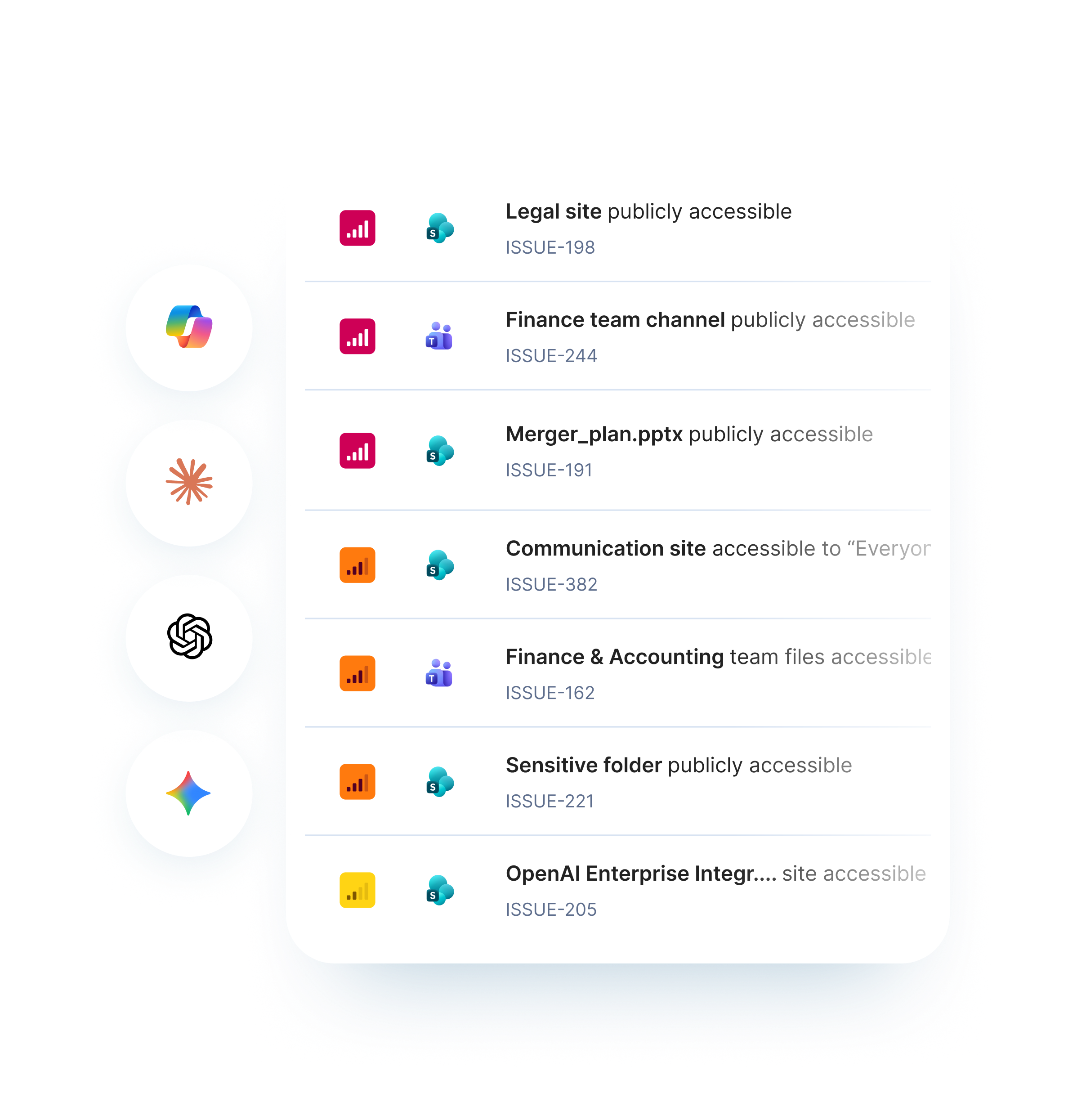
Opsin discovers agents across Microsoft Copilot, Claude, ChatGPT Enterprise, Gemini, and other enterprise-approved AI tools. See how this works for Copilot specifically on our Microsoft Copilot security page.
No. Opsin uses agentless, delegated API access. There is no endpoint software, browser extension, or employee survey, and teams see their full agent inventory within 24 hours of connecting.
Agent sprawl is the buildup of workforce-built agents that nobody tracks, owns, or retires. Opsin research found 1 in 3 agents go unused after creation and remain undeleted, each keeping its access the whole time. We analyzed what this looks like at scale in Claude agent sprawl: what 11,000 projects look like.
Opsin prioritizes using three signals together:
Agents where all three go wrong rise to the top of the queue.
Discovery builds the inventory: which agents exist, who owns them, and what they can reach. Governance acts on it: approving agents against policy and holding owners accountable. See Agent Governance.
An AI agent inventory is a live list of every agent in your environment: who owns it, which platform it runs on, when it was last used, and what data, tools and permissions it can reach. Opsin builds it from platform APIs and refreshes it on an ongoing cadence, including draft agents that were never published. The inventory is the input for AI Agent Governance.
Because there is nothing to install and nothing for employees to fill in. Opsin connects by API and covers Copilot, ChatGPT Enterprise, Claude and Gemini from one place.
Read how UiPath governs agents across ChatGPT Enterprise.