Opsin raises $21M to secure the agentic enterprise.
Hear from our founders →

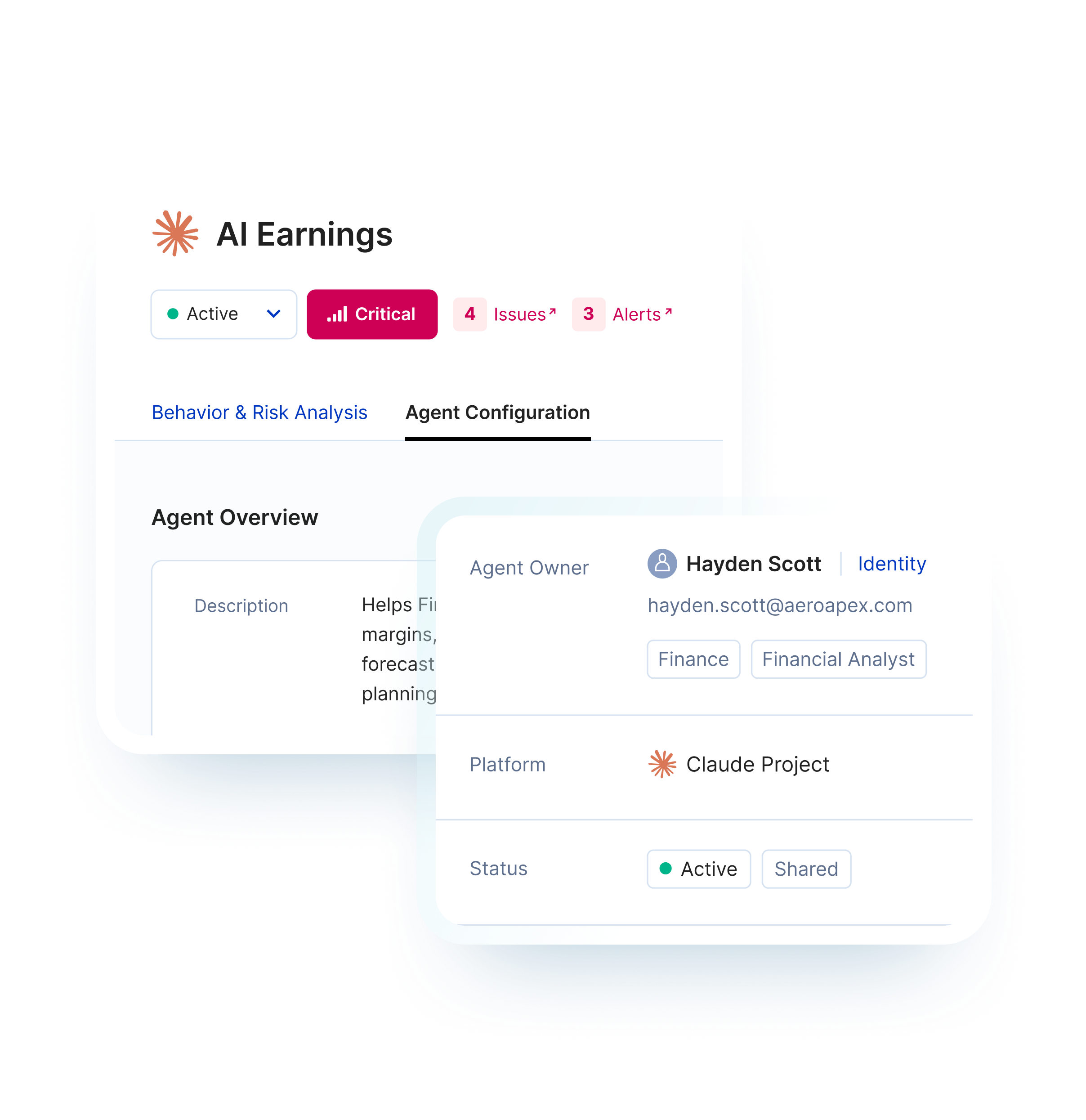





















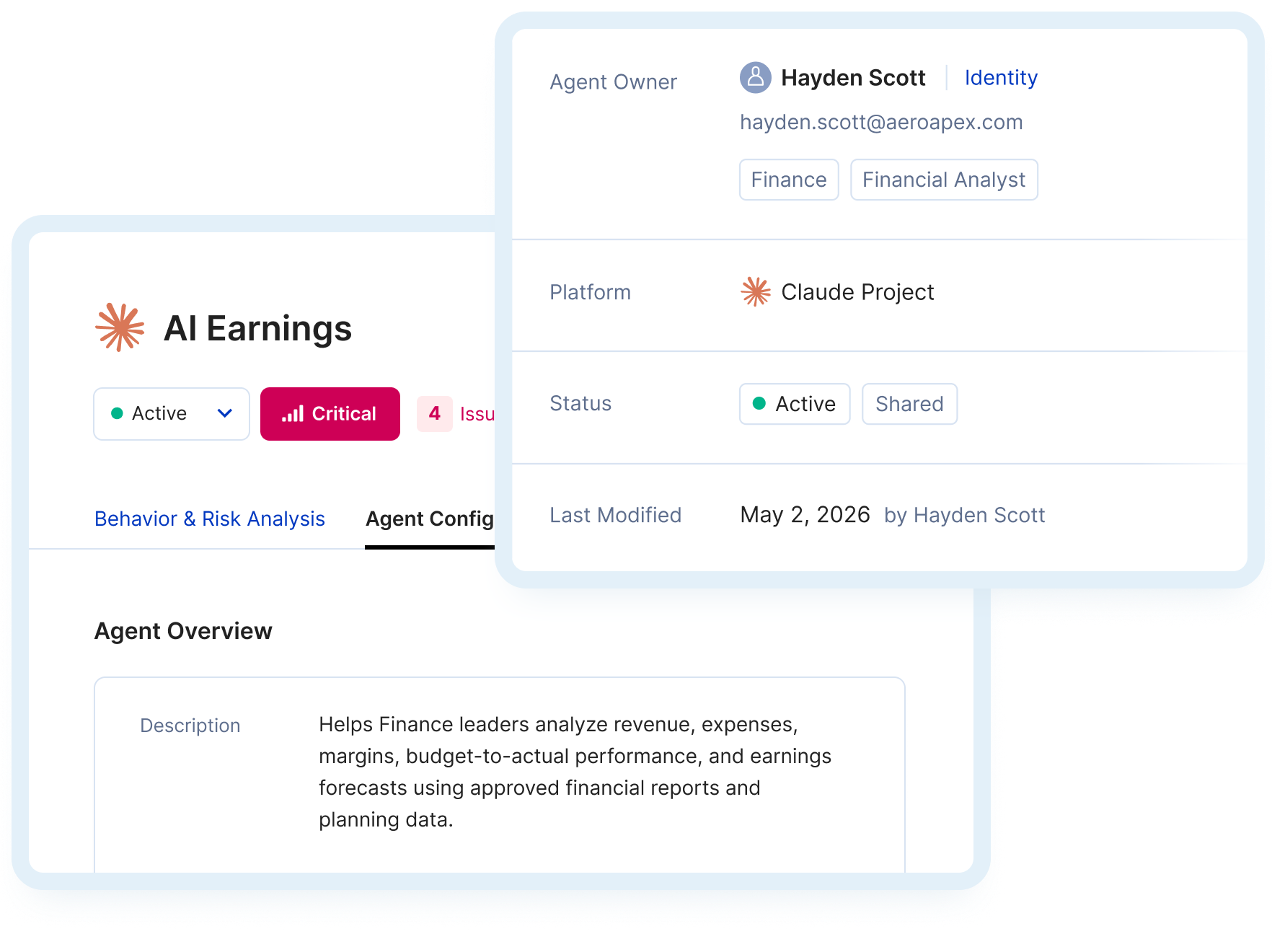
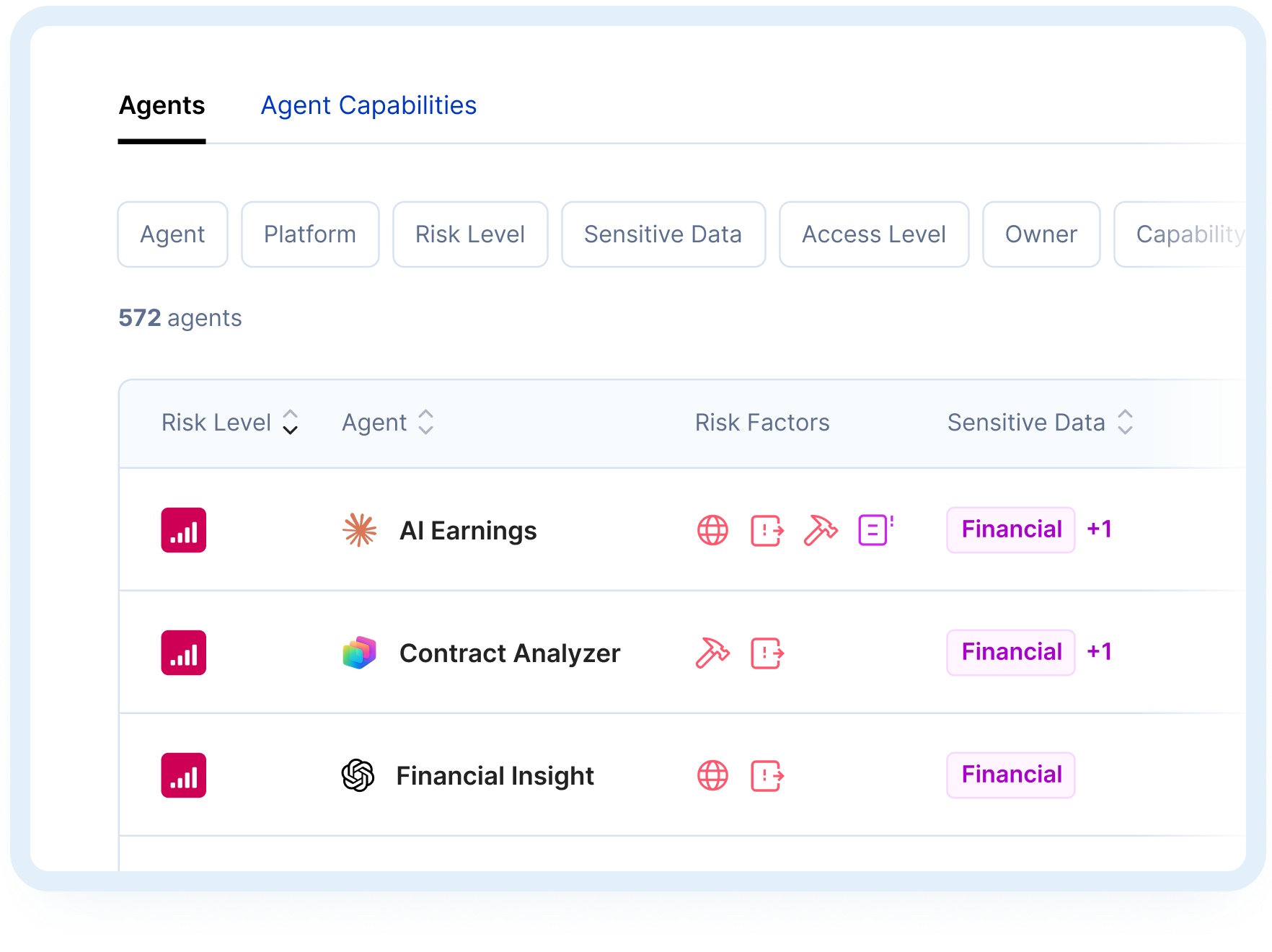


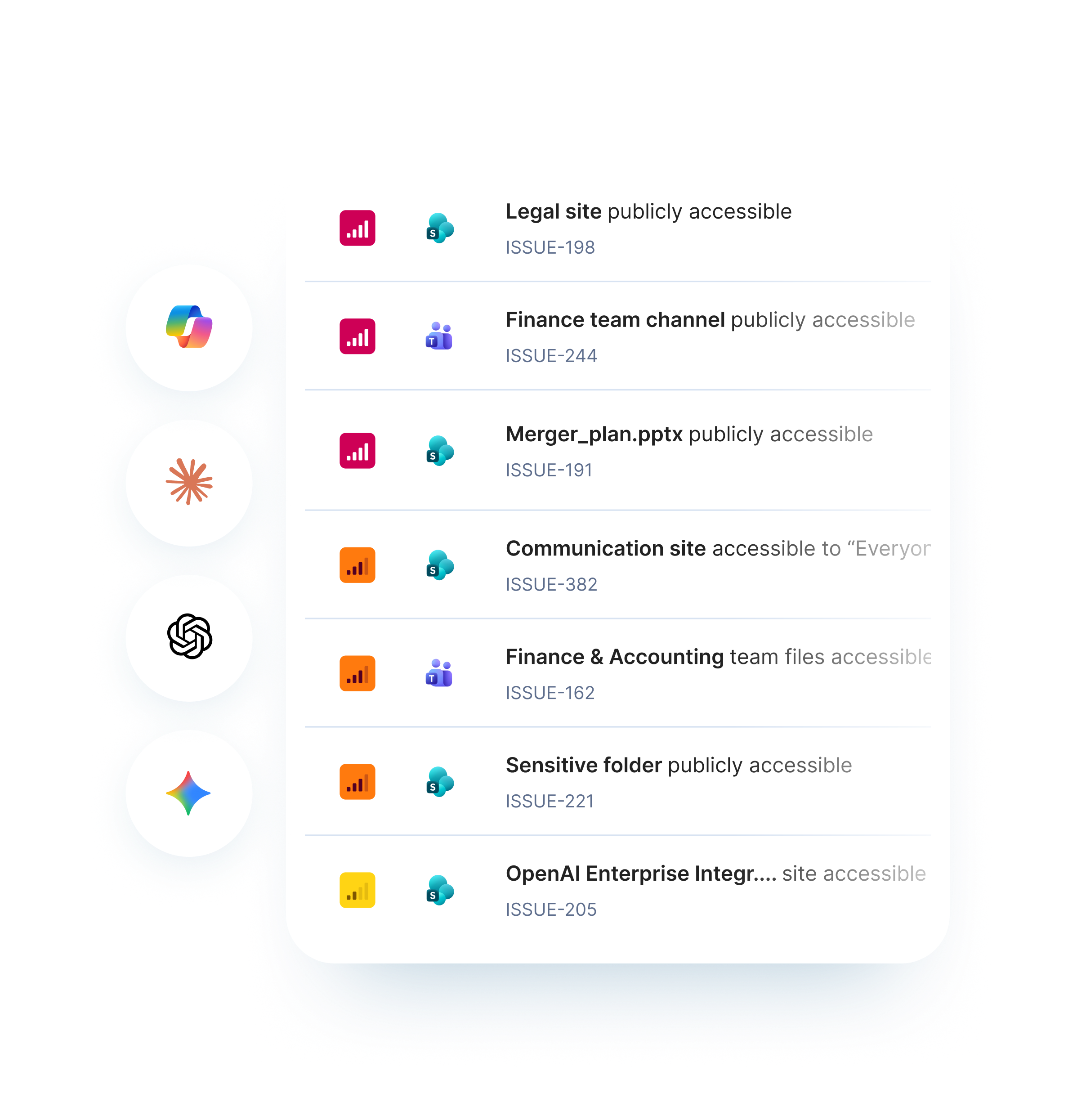
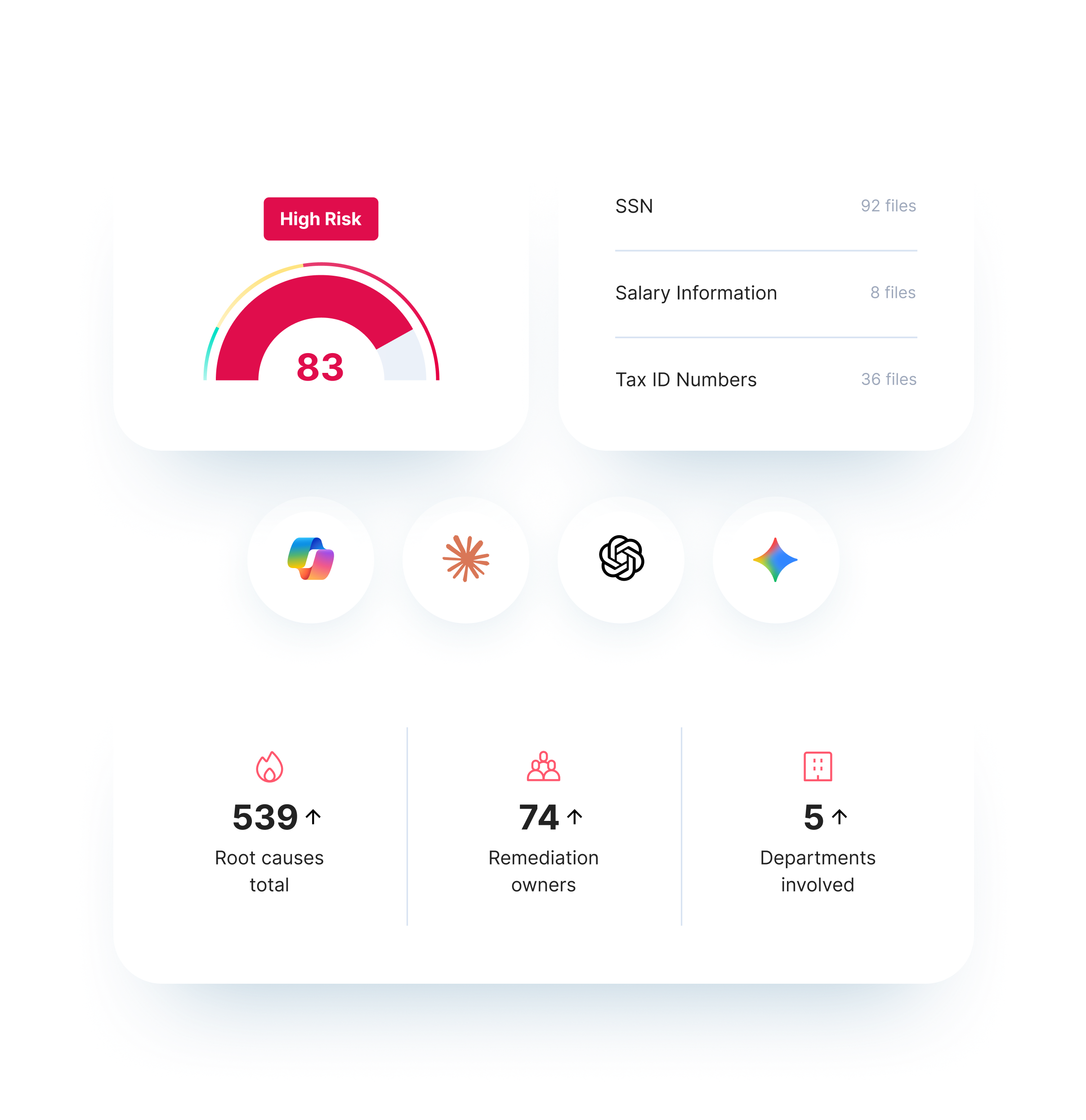
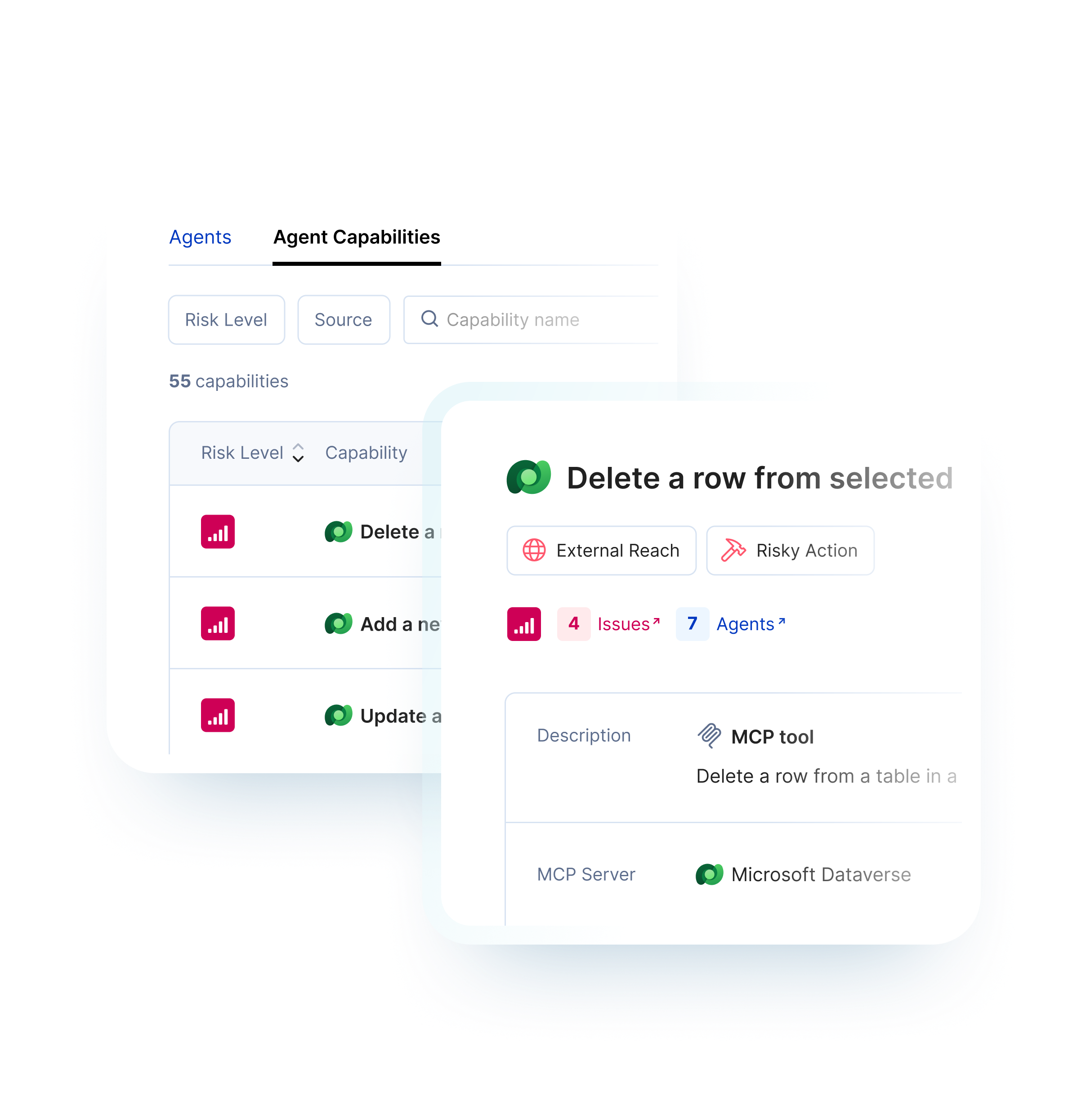

AI agent identity security treats each agent as a non-human identity with an owner, credentials and permissions. Opsin maps the identity each agent runs under, shows what that identity can read or change, and compares that access to the agent's purpose, so excess access surfaces before it reaches sensitive data. See the full picture in AI Agent Governance.
Agents inherit their builder's access and can share it with people who were never granted it.
Read the data in the 2026 State of Agentic Adoption report.
Opsin compares what each agent can access to what it was built to do. The gap is the risk. It connects by API, reads real permissions rather than descriptions, links each agent to its owner and the identity it uses, and scores risk by data sensitivity and behavior, so your team sees the worst cases first. Start with an AI Risk Assessment.
No. Opsin connects through platform APIs and gathers agent configurations, identities, permissions and connected tools. There is no endpoint software, no browser extension and no employee survey. Visibility arrives within 24 hours.
Opsin flags it for assignment, review or retirement. An agent nobody answers for cannot be fixed, so ownership is set before any remediation is routed. Unused agents keep their access until they are retired. AI Agent Discovery is where these agents are found.
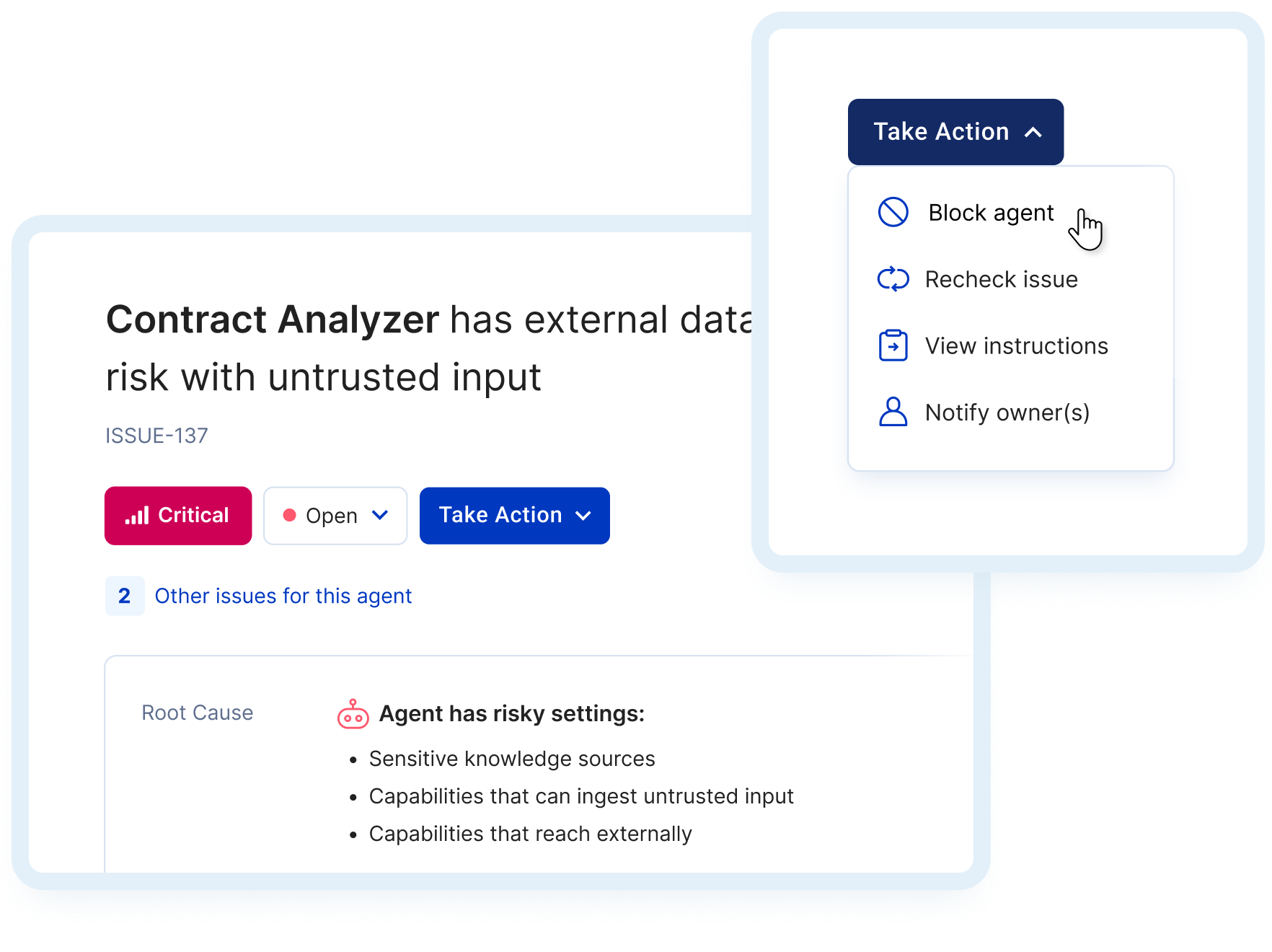
Contain it, fix it, or send it to the builder with instructions.
See containment in action on Agent Runtime Security.